

Few dog breeds capture hearts quite like the Corgi. With their short legs, fluffy bodies, and endless smiles, Corgis are both adorable and intelligent — a perfect mix of charm and character. Known for their herding instincts, loyalty, and lively personalities, these dogs have become one of the most popular breeds worldwide.
This guide explores everything about Corgis: their history, temperament, care needs, diet, and why they make such amazing companions for families and individuals alike.

1. A Brief History of the Corgi
The Corgi’s origins can be traced back over a thousand years to Wales, where they were bred as herding dogs for cattle.
There are two distinct breeds:
-
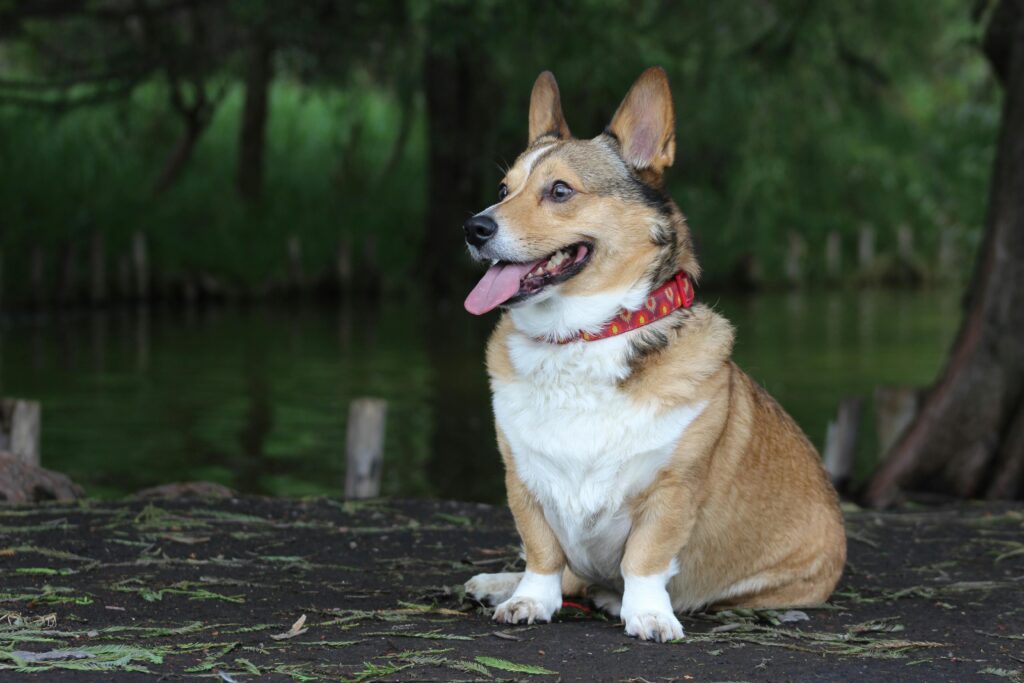
Pembroke Welsh Corgi, known for its fox-like face, upright ears, and shorter tail (famously favored by Queen Elizabeth II).
-
Cardigan Welsh Corgi, the older of the two breeds, featuring a long tail and slightly larger frame.
Both breeds share similar traits — intelligence, courage, and a strong herding instinct — but they differ in appearance and lineage. The Pembroke has roots in Nordic Spitz breeds, while the Cardigan descends from ancient Celtic herding dogs.
2. Personality and Temperament
Corgis are often described as big dogs in small bodies.
Despite their small stature, they are confident, alert, and full of energy. Their herding background gives them a natural sense of leadership and awareness, making them excellent watchdogs.
They are known to be affectionate with their families and tend to form strong bonds with their owners. Corgis enjoy being around people and rarely like to be left alone for long periods — they thrive on companionship.
However, their intelligence also means they can be stubborn at times. Consistent training and positive reinforcement are key to helping a Corgi grow into a well-behaved, balanced dog.
3. Exercise and Activity Needs
Don’t be fooled by their small size — Corgis are highly active dogs that require daily physical and mental stimulation.
Originally bred to herd cattle, they have plenty of endurance and love to stay busy.
It’s recommended that a Corgi gets at least 45–60 minutes of exercise per day, which can include:
-
Brisk walks or jogs
-
Fetch or agility games
-
Mental enrichment puzzles
-
Safe social playtime with other dogs
Without enough activity, Corgis can quickly become bored, leading to undesirable behaviors like barking or chewing. Regular exercise helps maintain their health and keeps their minds sharp.
4. Grooming and Shedding
Corgis have a double coat — a soft undercoat and a weather-resistant outer layer — that helps protect them in various climates. However, this also means they shed heavily, especially during spring and fall.
To keep their coat healthy:
Brush them 2–3 times a week (daily during heavy shedding seasons).
Bathe every 4–6 weeks or as needed.
Trim their nails and clean their ears regularly.
Corgis are naturally clean dogs, but consistent grooming not only keeps them looking great but also prevents skin irritation and matting.
5. Diet and Nutrition
A healthy diet is essential to maintain a Corgi’s active lifestyle. Because of their short stature and long body, weight management is especially important — extra pounds can quickly lead to joint and back problems.
Feed your Corgi high-quality dog food that includes lean proteins, healthy fats, and fiber. Portion control and avoiding excess treats are key.
Supplements like fish oil can help maintain their coat shine and support joint health.
Always provide fresh water and consult a veterinarian for personalized diet recommendations based on your dog’s age, size, and activity level.
6. Health and Lifespan
Corgis are generally a healthy breed with an average lifespan of 12–15 years, but they can be prone to certain conditions:
Hip dysplasia
Degenerative myelopathy (a spinal condition common in older dogs)
Obesity-related issues
Eye disorders, such as progressive retinal atrophy (PRA)
Regular vet checkups, a balanced diet, and maintaining a healthy weight can help prevent many of these issues.
Early socialization and training also play a crucial role in ensuring your Corgi grows into a happy, confident, and well-adjusted dog.
7. Living with a Corgi
Corgis adapt well to various living environments — from city apartments to country homes — as long as they receive enough exercise and attention.
They enjoy being part of family activities and are great with children, though supervision is recommended with very young kids due to their herding tendencies.
Corgis also tend to bark more than some breeds — a trait inherited from their herding roots. With proper training, they can learn when to be quiet and when to alert their owners.
8. Why People Love Corgis
From their expressive eyes to their cheerful personalities, it’s easy to see why Corgis are social media favorites. Their “sploot” sitting pose, fluffy behinds, and constant smiles make them irresistibly photogenic.
But beyond their looks, what truly defines a Corgi is their loyal heart and playful spirit. They bring laughter, companionship, and endless energy into any home.
For first-time dog owners or families looking for a small yet active breed, a Corgi makes an excellent choice — as long as they’re ready for the grooming and exercise commitment.
9. Final Thoughts
Corgis are more than just cute faces — they’re intelligent, devoted, and full of character.
They embody the perfect balance of fun-loving energy and loyal companionship, making them a joy to have around.
For anyone considering adding a furry friend to their home, a Corgi can be the perfect match — a companion who will fill your days with laughter, love, and a little bit of mischief.